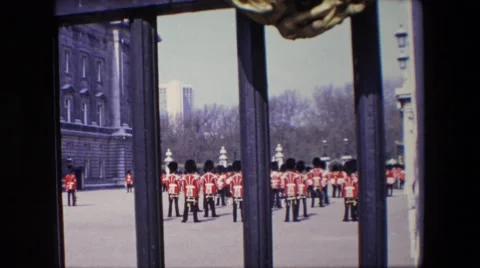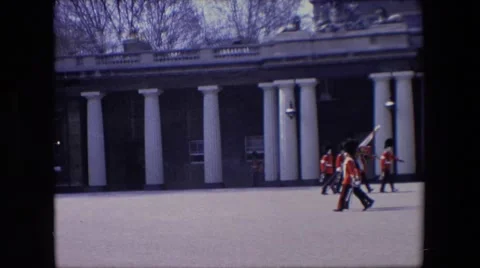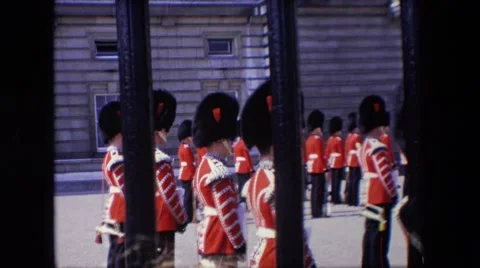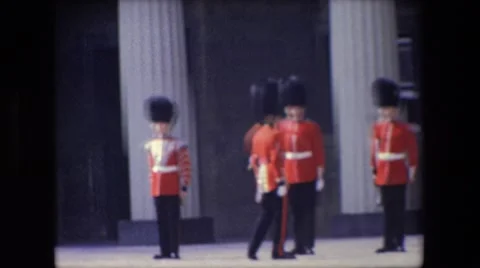
1967 London England
(222)

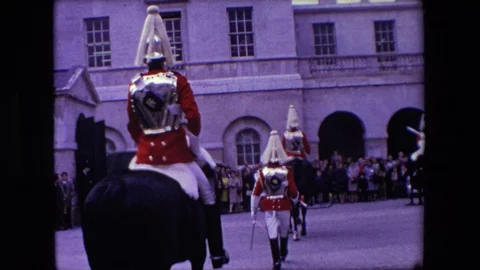
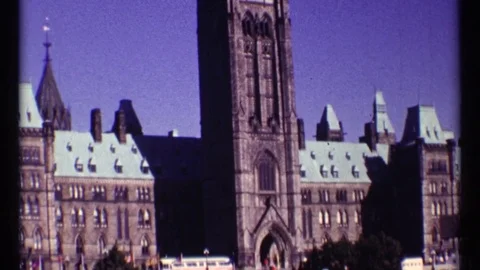
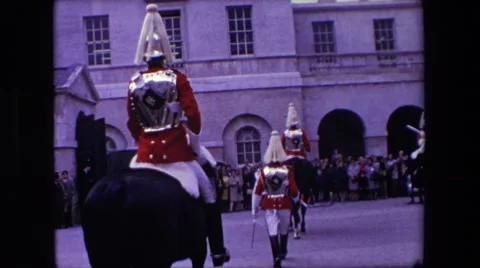
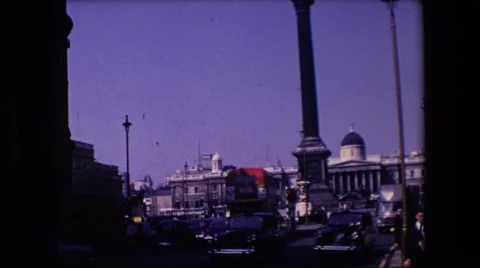
At first glance, viewers would likely see scenes typical of an ordinary life. They might observe pedestrians hurrying past famous landmarks, such as Buckingham Palace and Tower Bridge. There may also be snapshots capturing London's character from fifty years ago - the old streetcars, bobby helmets on policemen and kiosks lined with copies of the London Times. All of which come alive within the warm grainy film. Fascination with such home movies goes far beyond an intrigue into life-gone-by; they transport us back into an authentic, intimate sense of human experience. As you watch, you begin to appreciate the rhythm of the world then: how different things look, sound and move at this particular junction in time. These aspects aren’t merely intriguing – they are truly distinct and incomparable to what you may know about the city today. However, perhaps the most important thing that 1967’s 8mm footage of London communicates are the parallels between the generations in the sense of humanity and shared experiences. Seeing a mother grasp her young child's hand tightly, people interacting, laughing or being swept away by a breeze along the banks of the river – these moments connect viewers in a familiar thread to our collective experience, demonstrating how much (or little) may have changed in half a century. One cannot talk about such rare footage and its merit without focusing on the nostalgia it holds for the person who had captured the films in the first place. There lies an intimate connection of the filmmaker to what’s been documented. When revisited years later by family and loved ones, these movies must be priceless in reliving memories. For someone not personally linked to the people or places in these scenes, there remains value in gaining insights into human perspectives over time, all encapsulated in those magical frames, which makes the discovery an engaging narrative of human experience.
1967 London England Stock Footage